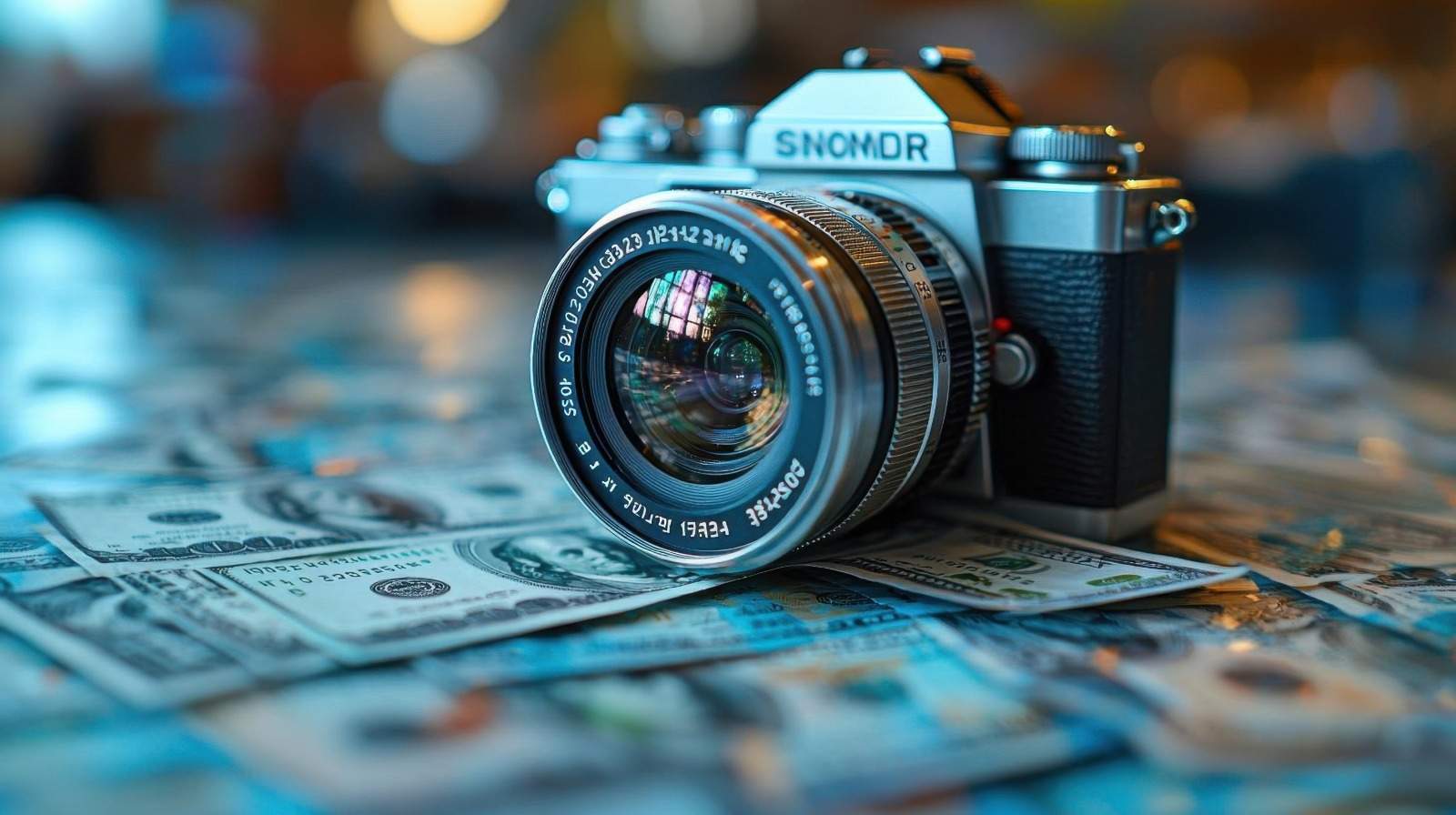
You don’t have to spend all your money to start taking pictures. A lot of people who are just starting out think they need the most costly cameras and lenses to capture good pictures. In all honesty, that’s one of the biggest lies in photography.
If you pick the right gear and understand how to utilize them, a well-planned budget photography setup can give you great images.
In fact, a lot of professionals started out utilizing simple cheap photography gear and then moved up to better gear later. When you’re just starting out, it’s important to know what stuff is really important.
Let’s look at some of the greatest cheap photography gear that novices can think about buying in 2026.
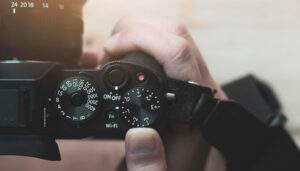
1. DSLR Cameras for Beginners
A novice DSLR is still one of the finest places to start.
Beginner Canon or Nikon cameras, for example, have manual settings, lenses that can be changed, and good image quality without being too hard to use. These cameras are great for learning how to set the exposure, shutter speed, and ISO.
And certainly, professionals still use them a lot.
2. Cameras for Beginners That Don’t Have a Mirror
More and more beginners are using mirrorless cameras.
They’re smaller, lighter, and include modern features like real-time exposure previews and improved autofocus. Mirrorless cameras are a good choice for anyone who desire a portable budget photography gear.
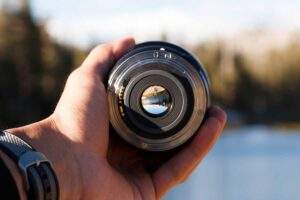
3. The “Nifty Fifty” 50mm Prime Lens
If you ask almost any photographer what their favorite lens for beginners is, they would probably say the 50mm prime lens.
It’s cheap, sharp, and great for taking pictures of people, on the street, and in low light. It also helps make stunning background blur because it has a wide aperture.
This lens can make a big difference in the quality of pictures for novices.
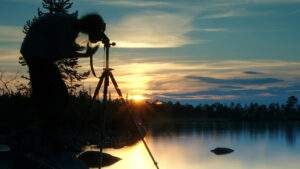
4. Simple Tripod
A tripod may not sound like much fun, but it is quite useful.
It keeps your camera steady for long exposures, scenic photos, night images, and even video work. A lightweight aluminum tripod is usually all a beginner needs.
Think of it as the base for stable photography.
5. Flash from the outside (speedlight)
Lighting may change your photos in a big way.
You may get soft, natural-looking light by bouncing light off walls or ceilings with an inexpensive external flash. The effects are much superior than those of a built-in camera flash.
6. Kit for Reflectors
A lot of novices don’t use reflectors, yet they are one of the best instruments for taking pictures.
A basic 5-in-1 reflector can help you regulate light by reflecting, dispersing, or blocking sunlight. Portrait photographers use them a lot to make skin tones look better and balance shadows.
7. Lighting Kit for Softboxes on a Budget
Softbox lighting kits are quite helpful if you want to take pictures, films, or portraits indoors.
These lights give off gentle, even light that helps people look professional. It’s good that there are now a lot of starting kits that are cheap.
8. Cards with a lot of storage
You need reliable storage for photography.
Using fast SD cards makes sure your camera writes pictures rapidly, which is especially important when you’re shooting in burst mode or recording video. Always have at least one extra card in your camera case.
It’s a modest cost that saves a lot of trouble.
9. Backpack for a camera
A good camera bag keeps your stuff safe and organized.
Backpacks with padded pockets, weather protection, and adequate room for lenses and other gear are what you should look for. Comfort is important too, especially when shooting outside.
10. Kit for Cleaning
Dust and fingerprints can make pictures look bad.
A simple cleaning kit containing a blower, a microfiber cloth, and lens solution will help keep your camera and lenses in good shape. Taking care of your equipment properly will make it last longer.
11. Video Light with LED
LED lights are commonly used by photographers and content developers for both images and films.
Portable LED panels are cheap, light, and easy to carry. They are quite useful for taking pictures indoors and making material for social media.
12. Remote Shutter Release
With a remote shutter, you can take pictures without touching the camera.
This stops the camera from shaking when you take long exposures or use a tripod. It’s also really helpful for taking pictures of yourself and groups.
13. Editing software for beginners
Taking a picture isn’t the end of photography.
Editing software can improve colors, change the exposure, and make details clearer. A lot of easy-to-use editing programs now have powerful functionality that don’t cost a lot of money.
Learning how to edit is just as vital as learning how to use a camera.
14. Macro Extension Tubes for Less Money
Want to take macro photos without spending a lot of money on a lens?
Extension tubes let your camera focus on things like flowers, bugs, or textures that are closer to it. They are a cheap method to try out macro photography.
15. Kit for portable backgrounds
A basic background kit might make your photos look better right away if you’re taking portraits or pictures of products.
White, black, or gray backgrounds that aren’t too busy aid focus on the topic and give the picture a clean, professional aspect.
Why Learning Is More Important Than Having Expensive Gear
A lot of beginners learn this over time…
When used imaginatively, even the best low cost photography gear can make amazing pictures. You need to know how to manipulate the light, build up a picture, and tell a story.
A lot of people who desire to be photographers go to a professional photography institute in Kolkata for this reason. Students can utilize real tools, learn how to work with light, and build a strong portfolio there.
You don’t have to spend a lot of money on gear to get great pictures. Great photographers know this.
Conclusion
It’s easier than ever to start a cheap photography studio for beginners in 2026. Anyone can now take professional-quality pictures with cheap cameras, lenses, lighting, and other gear.
Start with the basics. Practice all the time. As your talents improve, slowly upgrade.
Photography isn’t about having the best gear.
It’s about learning to look at the world in a creative way.