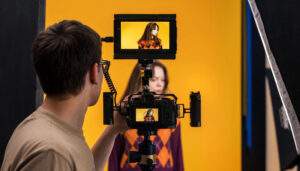
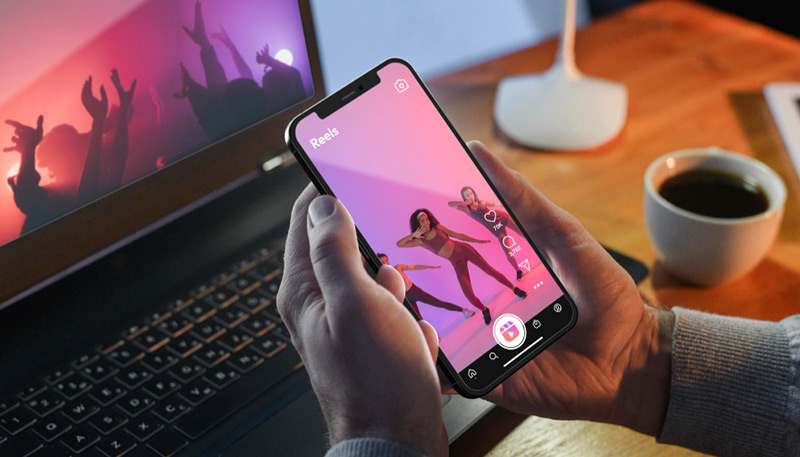
Over the years, Instagram Reels have changed a lot. It’s not simply about dancing or fast changes in 2026. Even rookie designers should be able to make things look good, work well, and feel like a movie.
The good news is?
You don’t have to spend a lot of money on gear to get started. You only need to know how to use a few important video parameters. Joining a videography institute can be helpful.
Let’s keep it simple so that new people can grasp it.
First Rule: Resolution & Frame Rate Matter
Check the resolution and frame rate of your video before you start recording.
For Reels in 2026, these are the best settings:
- Resolution: 4K (if possible) or 1080p
- 30 or 60 frames per second
For talking videos, lifestyle shots, and movie sequences, use 30fps.
If you want smoother motion or want to slow down the movie later, use 60fps.
Even after Instagram compresses the images, higher resolution makes them look sharper.
Aspect Ratio: Always Shoot Up and Down
Instagram Reels are meant to be watched in a vertical position. Use a 9:16 aspect ratio
Don’t shoot horizontally and then crop afterward. Keep the most crucial things in the middle.
This is all it takes to make your material look more professional.
Don’t Trust Auto for Exposure and Lighting
A lot of newbies let the phone choose the exposure, which is why the film typically seems flat or overexposed.
Easy tips:
- Before you record, tap and lock exposure
- A little less exposure for a movie-like look
- Stay away from bright lights above you
- Whenever you can, use natural light from windows
The quality of the camera isn’t as important as the illumination.
Frame Rate + Shutter Speed (The Cinematic Rule)
If your phone lets you change video settings by hand, use the 180-degree rule:
The shutter speed is about twice the frame rate.
- 30 frames per second – 1/60 shutter
- 60 frames per second – 1/120 shutter
This makes motion blur look natural, which is important for a cinematic atmosphere.
A lot of students at a professional videography institute learn this early on because it makes videos look better right away.
Focus: Be Clean and Purposeful
Auto focus can look for and ruin an excellent shot.
- Lock focus for talking photos
- For close-ups, use manual focus
- If you can, keep the background a little soft
Your video will look more polished if you keep the focus steady.
Color Profile: Keep It Real
Don’t use strong filters in the camera.
- Use a neutral or flat color profile while shooting
- You can change the contrast and color later as you edit
- Keep skin tones real
Videos that are too bright may get attention, but they don’t appear like movies.
Stabilization: Smooth > Shaky
Footage that shakes right away looks amateur. The best choices are:
- Use the phone’s built-in stabilization.
- Use both hands to hold the phone.
- If you have one, use a simple tripod or gimbal.
- While recording, walk gently and smoothly.
Even just stabilizing your reels can make a big difference.
Sound Quality Is Important (Even for Reels)
Good images can be ruined by bad sound.
- Record voiceovers in a room that isn’t too loud.
- If you can, use an external mic.
- Stay away from places that are windy or loud.
When sound is clear, it makes content feel high-end.
Editing: Where the Movie Feel Comes Together
Editing is what makes your reel come to life.
Pay attention to:
- Clean cuts (don’t go too far with the transitions)
- A little color adjustment
- Brightness and contrast that are just perfect
- Music sync that works well
Most novices don’t realize how important editing is, but pros do.
Why Proper Training Helps Beginners Get Better Faster
You can learn all of stuff online, but guided learning is faster.
At an excellent videography institute in Kolkata, beginners learn:
- Why some settings function
- How to fix mistakes
- How to shoot the same way in different situations
- How to make content that is different
Training doesn’t take away creativity; it makes it sharper.
Last Thoughts
Instagram Reels in 2026 aren’t about pricey cameras. They have to do with control, intention, and consistency.
Set things up correctly first. Pay attention to light and movement. Do it a lot. And most importantly, take your time.
Because the best cinematic content usually comes from people who took the time to learn how to do it right.