
Fashion photography isn’t simply about how people look and how they pose. It’s all about the light. Light can radically transform the mood of a shoot by how it falls on cloth, skin, and texture.
Knowing how to use light is what makes a professional photographer stand out from the others, whether they’re shooting in a controlled studio or outside in unpredictable weather.
Let’s look at how to master lighting in both settings and when to use each for the best effect.
Indoor Fashion Photography: Full Control and Creative Accuracy
Indoor sessions give photographers what they enjoy most: control.
You choose:
- Direction of light
- Strength
- Putting shadows in the right place
- Consistency in the background
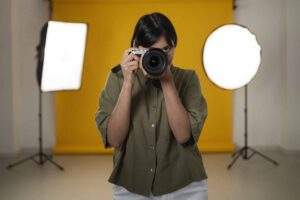
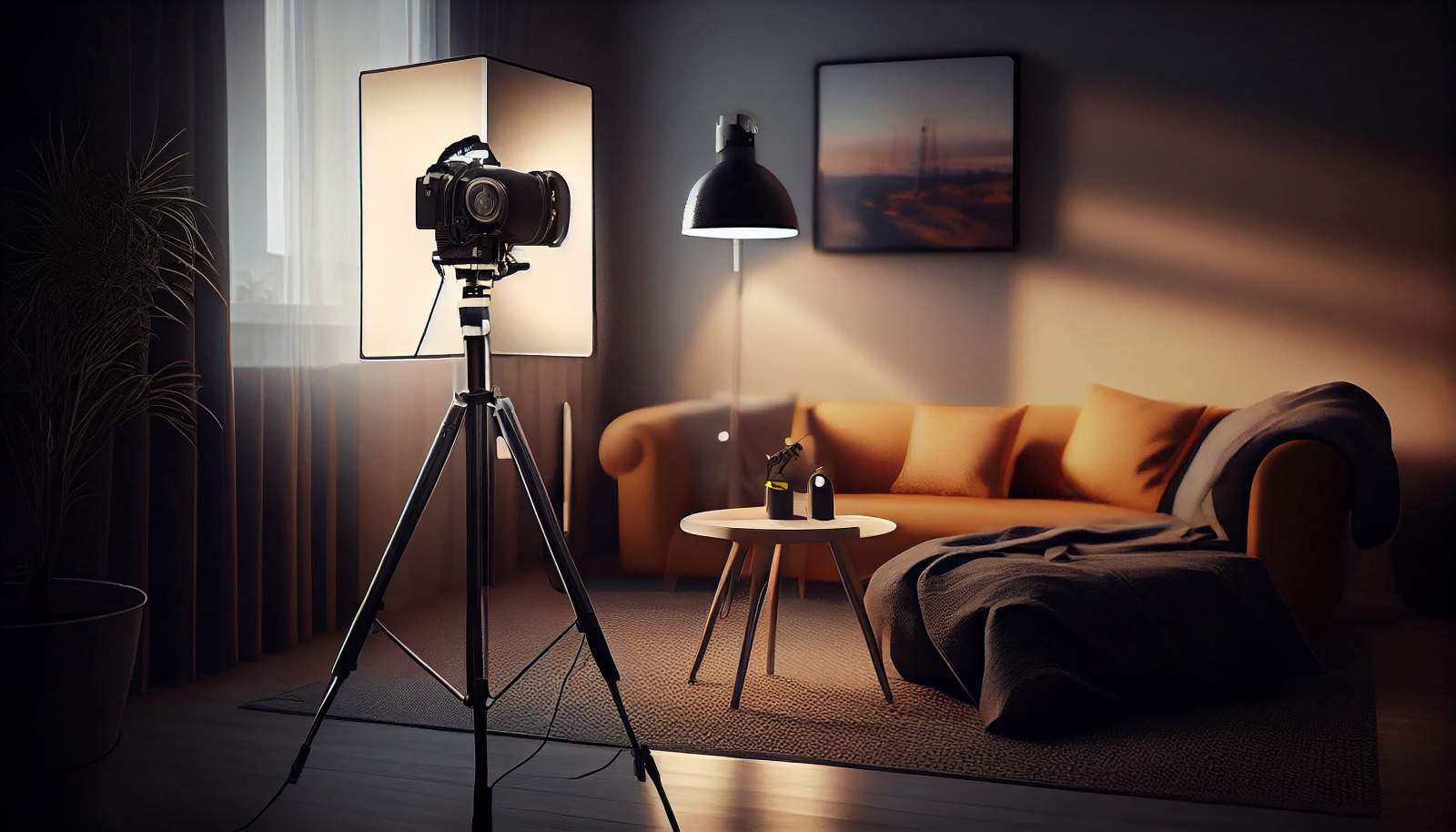
This is when using a flash for indoor photos really shines.
How Indoor Lighting Works
✔ Always getting light
✔ No weather problems
✔ Great for business ads
✔ Great for fashion photos that focus on products
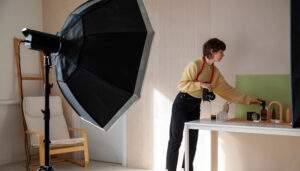
You can shape the model’s features precisely how you like with softboxes, reflectors, beauty dishes, and strobes.
For instance:
- For skincare or bridal fashion, utilize mild, diffused light.
- Use dramatic side lighting for editorial themes.
- For strong, artistic effects, use flash with colored gels.
Flash lighting lets you freeze motion very well, which is great for positions that are moving or clothes that are flowing.
Indoor Lighting Tips
If you’re just getting started:
- Put the key light a little higher than eye level to make shadows look good
- Use a reflector to make the contrast less sharp
- Don’t put flash right in front of the face because it makes features look flat
- To avoid uninteresting backdrops, make sure the background lighting is balanced.
It is very important to learn how to manage the flash intensity. Too much power makes the highlights too bright. Too little makes shadows look dirty.
Practice makes perfect.
Outdoor Fashion Photography: Realism and Natural Drama
Now let’s go outside.
Sunlight, clouds, reflections, and shadows all change as you photograph outside. Nature doesn’t wait for you like studios do.
That’s why it’s so important to learn how to take good pictures of people in outdoor clothes.
What Makes Outdoor Shoots Unique
✔ Depth that is natural
✔ Realistic atmosphere
✔ Beautiful golden-hour tones
✔ Real mood
Natural environments make stories more interesting. Every background, whether it’s a city street, a beach, a rooftop, or a garden, interacts with light in its own way.
Shooting Fashion in Natural Light
Natural light can be beautiful, but only if you know how to use it.
Golden Hour (The Best Time to Take Pictures)
The soft, pleasant light in the early morning or late afternoon makes skin look better and makes fabric feel better.
Midday Sun (Difficult but Useful)
Strong shadows are made by harsh overhead light. Use:
- Shade under buildings
- Reflectors to make the contrast less sharp
- Backlighting for dramatic shapes
Days with Clouds (Softbox from the Sky)
Clouds naturally spread out sunlight. It works great for even skin tones and very few sharp shadows.
Always keep the following in mind when taking pictures of fashion in natural light:
- The direction of light
- Length of the shadow
- Reflections in the background
You need to be more aware than you need to have good equipment for outdoor photography.
Which is better: inside or outside?
There isn’t a clear winner.
Indoor shootings are more accurate. Outdoor shootings are more spontaneous.
Pick indoor if:
- You need product images that are in control
- You’re taking pictures for lookbooks.
- It’s really important to have consistent lighting.
Pick outdoor if:
- You want to hear stories
- You need to move around a lot
- You like natural tones better
A lot of the time, professional fashion photographers do both.
Combining Flash and Natural Light
Photographers who are more experienced blend techniques.
Using flash off-camera outside helps:
- Fill in the shadows
- Show off the details of the clothes
- Take the model out of the background
This mixed approach generates results that look polished yet still natural.
Things You Shouldn’t Do
Mistakes made inside:
- Flash that is too strong
- Not paying attention to backdrop lighting
- Lighting with a flat front
Mistakes made outside:
- Taking pictures under bright midday light without a filter
- Not paying attention to where the subject is positioned
- Not remembering to change the exposure
To master photography, you need to know how light works, not just how to change camera settings.
Why it matters to get professional training
It’s easy to read about lighting theory. But using it under stress is a another story.
At a fashion photography institute in Kolkata, you can learn by doing:
- Positioning the flash
- Choosing a modifier
- Measuring light
- Control of outdoor exposure
- Fashion workflows in the real world
Structured learning helps you grow much faster.
Conclusion
Light controls all three of these things in fashion photography: emotion, detail, and mood.
You have creative control over indoor arrangements.
Being outside gives you the ability to tell stories naturally.
When you know how to do both, you don’t have to worry about the weather.
You start to create with confidence, no matter where you are.
It’s not about where you shoot in fashion photography.
It’s all about how you use light.