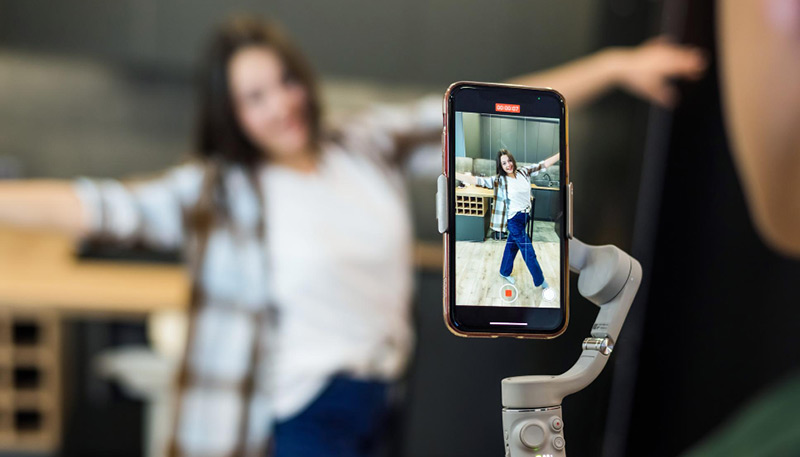
A lot of photographic trips don’t start with a DSLR in 2026. They begin with a phone. Reels, stories, fast edits, and daily occurrences often get people interested in something that becomes a real creative aim. You’re not the only one who wants to go from taking casual photos on your phone to becoming a professional photographer. The journey is easier than you think.
The most important thing is to learn in the appropriate order.
Step 1: Begin with your phone, where you are right now
Smartphones today are great instruments for learning. They help newcomers learn the basics without having to worry about buying pricey gear.
At this point, pay attention to:
- Making and framing
- Shadows and light from nature
- Angles and points of view
- Timing and telling stories
If your phone has a Pro or Manual mode, use that. The goal isn’t to be perfect; it’s to be attentive.
Step 2: Learn the Basics (Not Just the Filters)
You can rapidly make images appear decent with filters, but they don’t teach you how to make them work.
This is the start of structured learning. Good photography courses focus on:
- What light does
- ISO, shutter speed, and how much light comes in
- Control of color and white balance
- Balance in the picture and where the subject is placed
These basics apply to all cameras, whether they’re phones or pros.
Step 3: Practice with a goal in mind
Shooting randomly slows down growth. Practice on purpose makes things go faster.
Try:
- Taking pictures of the same thing under different light
- Making professional photos you like again
- Only using one method every session
Long hours don’t matter as much as being consistent.
Step 4: Move on to entry-level camera gear when you’re ready
Only upgrade when you know why you need greater gear.
Here are some signs that you’re ready:
- You know how to use manual settings.
- You feel like the controls on your phone camera are too restrictive.
- You want it to work better in low light.
- You want output at the client level.
Your knowledge, not the camera, makes you a professional.
Step 5: Learn how to edit as a skill, not a fix
Editing should make your work better, not save it.
Find out:
- Basic fixing of exposure
- Balance of color
- Aligning and cropping
- Exporting for other platforms
Most photography courses teach both shooting and editing because they go hand in hand in professional work.
Step 6: Create a focused portfolio
Professionals don’t display all they do. They display what best represents them.
Start with a little:
- Choose one or two types of photos
- Pick out the greatest photographs you have.
- Make sure your portfolio is nice and useful.
A good portfolio is more vital than expensive equipment.
Step 7: Find out about the business aspect
In 2026, photography is not just art; it’s also a service.
Learn the basics, like:
- Speaking with clients
- How to set a price for your work
- What to do and when to do it
- Copyright and use
A lot of newcomers have problems not because they aren’t creative, but because they skip this step.
Step 8: Don’t just learn from algorithms; also learn from people who are good at what they do
YouTube and social media are helpful, but they might be hard to find.
Structured photography courses offer:
- Easy-to-follow learning paths
- What people think of your work
- Tips for taking pictures in real life
- What the business wants
Mentorship helps you spend less time trying things out.
Conclusion
You don’t have to modify everything right away to go from shooting mobile reels to professional images. You should keep studying, practicing, and getting the right guidance.
Start with what you already have. Learn the basics well. Practice with a purpose. Choose your upgrades carefully.
In 2026, professional photographers aren’t identified by the first camera they bought, but by how hard they worked to learn the skill. Enroll in one of the best photography courses in Kolkata for advanced training.