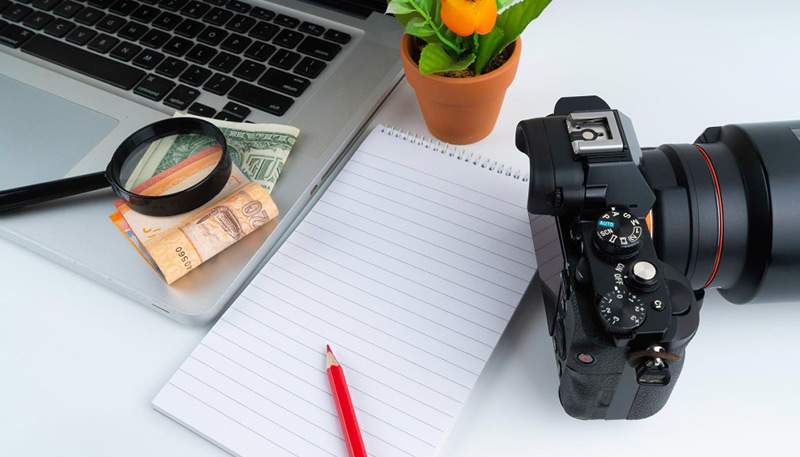
The first time they held a camera is a memory shared by all videographers. The thrill. the uncertainty. The countless trial shots. And the silent doubt in the back of your mind: Is it possible for this to become a career?
It takes time to go from that first camera to your first paid project. Learning, failing, improving, and gradually gaining confidence are all part of the process. Additionally, a structured videography institute’s supervision can be a game-changer for many creators.
Let’s have a look at what this growth journey entails.
Step 1: The Initial Camera Phase (Astonishment + Perplexity)
It’s always exhilarating to start. You try out:
- Unpredictable angles
- Automatic mode
- Brief snippets of anything moving
- At this point, the majority of novices deal with:
- Unsteady video
- Unreliable exposure
- Audio quality issues
Frustration: “Why doesn’t it look cinematic?”
This stage is typical. You’re discovering the capabilities of your camera, but you still don’t know how to operate it.
Step 2: Acquiring the Fundamentals Correctly
Real growth starts at this point.
- Comprehending
- Rates of frames
- Speed of shutter
- ISO and Aperture
- White balance and focus
provides clarity all of a sudden. The footage begins to appear deliberate rather than accidental.
Enrolling in a videography institute, where topics are taught realistically rather than just conceptually, helps many beginners achieve this stage more quickly.
You give up speculating. You begin to make decisions.
Step 3: Uncovering Lighting’s Power
Every cameraman discovers this harsh reality:
Even excellent camera work will be ruined by poor illumination.
At this point, artists become aware of:
- More important than camera cost is light direction.
- Even simple installations can have a polished appearance.
- When used properly, natural light may have a powerful effect.
Professional videography instruction frequently includes a breakthrough lesson on lighting, both artificial and natural.
Your films seem cleaner all of a sudden. more acute. more competent.
Step 4: Editing Changes Everything
Shooting makes up only half of the work.
Novices who start to take editing seriously learn:
- Timing’s effect on narrative
- The significance of color correction
- How music and sound affect emotions
- The difference between “raw” and “finished”
- Editing turns clips into content
A videography institute teaches students workflows, not just equipment, like how to speed up post-production and shoot with editing in mind.
This is the point at which confidence rises.
Step 5: Use Your First Real Projects to Practice in a Real-World Setting
Prior to paid labor, practice is crucial.
This includes:
- Fake projects
- Reporting on minor incidents
- Creating brief videos for one’s own usage
- Helping friends or local businesses
These programs teach:
- Getting shots ready
- Effective time management
- Controlling pressure
- Fulfilling expectations
Guided projects in a videography institute often replicate real-world client environments, preparing students for the future.
Step 6: Understanding Professional Behavior
Technical expertise doesn’t bring in money on its own.
Newcomers learn the importance of:
- Good communication
- Meeting deadlines
- Handling remarks
- Keeping calm on the set
This is what sets experts apart from enthusiasts, despite the fact that it is occasionally ignored.
Children’s early development of this perspective is aided by mentoring and on-set exposure.
Step 7: Creating an Attention-Grabbing Portfolio
Visibility is more important than talent when it comes to landing your first paid project.
A solid portfolio for a newbie consists of:
- Quick, tidy sample videos
- Unambiguous narrative
- Uniform style
- Appropriate presentation
In order to prevent students from undervaluing themselves, several videography institutes assist students in selecting their best work.
A strong portfolio speaks for you.
Step 8: The Initial Paid Project (A Significant Occasion)
Rarely is the first paid project flawless. And it’s alright.
What counts is:
- You provided value.
- Someone had faith in your abilities
- You received payment for your labor
Everything is altered in this instant. It demonstrates that videography can transcend passion into a career and validates the work, learning, and doubts.
What Most Novices Are Not Aware of
Growth is not a straight line.
There are going to be:
- Self-doubt
- Comparing
- Blocks of creativity
- Technical annoyances
However, all professional videographers have experienced this.
Structured instruction, regular practice, and exposure to the real world—exactly what a quality videography institute is meant to offer—are what facilitate the process.
Why Guidance Accelerates the Process
Although it takes longer, self-learning is effective.
A videography institute assists by:
- Early instruction in good behaviors
- Giving feedback before errors are fixed
- Providing hands-on experience
- Increasing self-assurance through practice
It doesn’t take the place of effort. It concentrates it.
Conclusion
The path from your first camera to your first paid project is more about perseverance, education, and guidance than it is about skill.
Every self-assured videographer you look up to was once in your shoes—unsure, trying, and hoping.
That first paid project isn’t unattainable with the correct attitude, organized training, and direction from a reputable videography institute.
It’s merely the subsequent phase.
Additionally, once you accept it, there is no going back.