When you’re starting out in photography, it’s easy to think you need a better camera, a new lens, or the latest gear to improve.
Truth is… you don’t.
What you really need is practice with intention — the kind that trains your eyes to notice light, shadows, colors, and moments you’d normally walk past. That’s the same foundation most well-known photography courses focus on before anything else.
Small creative projects force you to experiment, make mistakes, and slowly build confidence behind the camera — the same way a good mentor would guide you. And whether you’re learning on your own or enrolled in photography courses, these practical ideas will accelerate your growth.
Let’s jump in.
Turn Your Day Into a Story
One of the easiest and most meaningful exercises is to photograph your day like a storybook. From the moment you wake up to when your lights go off, capture details — the tea cup by the window, traffic outside, your desk, food, or your pet curled up in a corner.
Choose 10–15 images that tell your day honestly.
This simple storytelling habit is something many photography courses use early on because it sharpens observation naturally.
Find Magic in Reflections
Reflections teach you to look twice. Try capturing puddles after rain, windows, mirrors, or even curved objects like spoons.
Sometimes the reflection is more interesting than the subject itself.
Chase Shadows and Light
Instead of shooting objects, shoot light.
See how sunlight enters a room. Watch shadows move across walls. Photograph the same corner at different times of the day.
Learning to read light is the backbone of photography — something every serious photography course begins with.
Play the “Color Game”
Pick one color each day and photograph only things in that shade — red, green, blue, yellow.
This simple game trains your eye for composition and detail without you even realising it.
Change Your Angle, Change the Outcome
Shoot from above. From the ground. From far away. From extremely close.
The same subject tells a completely different story from a new point of view — that’s why angle exercises are commonly assigned in photography courses.
Try Minimalist Photography
Place one object in a clean space. No clutter. No noise. Just light and subject.
It teaches visual balance — and proves that powerful images don’t need complexity.
Freeze Motion or Let It Blur
Shoot cars, walking people, or water flowing.
Freeze the motion.
Then let it blur.
This is how photographers truly understand shutter speed — not from theory, but experience. Something every good photography course stresses.
Create Indoor Still-Life Scenes
Use everyday objects. Rearrange them near a window. Rotate the light. Change the background.
Still-life projects appear in nearly all photography courses because they develop patience and control.
Shoot Portraits in Natural Light
Ask someone to sit near a window.
Notice how light shapes the face.
Watch how shadows fall.
Portrait photography improves faster through real people — not YouTube videos alone.
Go Hunting for Textures
Brick walls. Fabric. Tree bark. Roads. Paper.
Details train your design sense — a skill that photography courses gradually refine through critique.
Try Low-Light Photography at Home
Photograph candles, lamps, or streetlight through your window.
Low light teaches exposure the fast way — through trial and error.
Catch Water in Motion
A tap. A spray bottle. A glass.
Freeze water. Miss it. Try again.
This builds camera confidence like few exercises can.
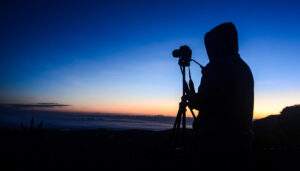
Experiment With Silhouettes
Shoot trees, people, rooftops during sunset.
Silhouettes train exposure control and emotional storytelling together.
Create Bokeh With Lights
Use fairy lights or night traffic.
Shoot wide open.
This is how “dreamy” backgrounds are created — something many photography courses teach in depth.
Go Black and White for a Week
Turn off color.
Suddenly, you notice light, shapes, and emotion — not distractions.
Conclusion
These little projects teach you something no expensive camera ever will — how to really see. You begin noticing light where you never did before. You start feeling the difference between a good moment and a great one.
And if you’d like to grow faster, with honest feedback, guidance that makes sense, and assignments that challenge you in the right way, photography courses in Kolkata can quietly shape your journey and sharpen your skills along the way.
But however you choose to learn…Just keep shooting.
Because that’s where confidence grows.
That’s where your story begins.