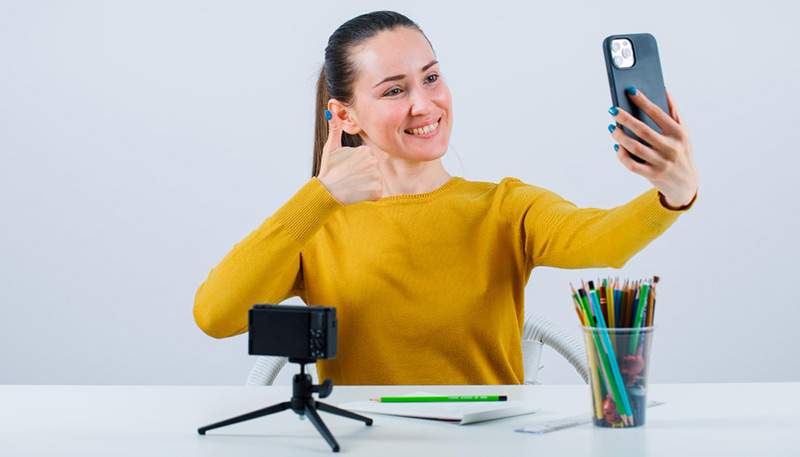
Ten years ago, becoming a photographer almost always meant owning a DSLR and investing heavily in lenses. In 2026, the conversation has changed. With smartphone cameras becoming smarter every year, many beginners wonder — can I really start photography with just my phone and still grow into a professional?
The honest answer is yes, you can start — but growth depends on how you learn, not just what you shoot with.
Joining a good photography institute will help you learn the basics, get more advanced information, and turn basic tools into professional talents.
Power of Phone Cameras in 2026
Modern smartphones now offer:
- Advanced sensors and night modes
- Manual controls for ISO, shutter speed, and focus
- Portrait and cinematic modes
- Built-in editing tools
For a beginner, this is more than enough to understand composition, lighting, framing, and storytelling — the foundations of photography. Many professionals admit their creative eye developed long before they owned high-end gear.
Your phone won’t limit your learning in the beginning.
Your understanding might — if you don’t train it.
What a Phone Can Teach You (and What It Can’t)
A phone camera helps you learn:
- How light changes a photo
- How angles affect storytelling
- How backgrounds can make or break an image
- How timing matters
However, phones cannot fully replace:
- Lens control and depth understanding
- Low-light professional performance
- Client-grade output consistency
That’s where structured learning becomes important.
Why Training Matters More Than Gear
This is where many beginners get stuck. They shoot hundreds of photos but don’t know why some work and others don’t.
A excellent photography institute will teach you:
- Not simply camera buttons, but also visual thinking
- When to break the laws of composition
- Lighting for varied feelings
- Editing processes
- Shooting situations in the real world
- Building a portfolio
With the right help, even taking pictures with your phone can be on purpose, not by accident.
How Professionals Really Get Started in 2026
Most of the time, successful photographers today:
- Start studying on a phone or a little camera.
- Get a comprehensive understanding of the basics
- Only upgrade gear when your skills need it.
- Make a targeted portfolio
- Focus on one or two types of music
The phone is not a quick way.
It’s a training ground.
Can Clients Take You Seriously If You Start with a Phone?
At the learning stage — absolutely.
At the professional stage — equipment matters, yes. But by the time you reach that stage, you will naturally understand why you need better gear and what to invest in.
Clients care about:
- Results
- Consistency
- Understanding of their needs
- Professional behaviour
Not how you started.
When Should You Move Beyond a Phone?
Upgrade when:
- You understand manual settings clearly
- You’re confident with lighting
- You’re editing with purpose
- You’ve chosen a photography niche
This transition happens faster when guided by mentors at a trusted photography institute rather than trial-and-error learning.
Things Beginners Often Do Wrong
- Buying pricey gear too soon
- Not doing the basics
- Practicing without getting feedback
- Putting yourself next to people that make content on social media
- Expecting money right away
Taking pictures is a skill. And crafts reward patience.
So, Can a Phone Camera Lead to a Professional Career?
Yes — if used as a learning tool, not a limitation.
Your journey in 2026 can start with a phone, but it grows with:
- Structured learning
- Regular practice
- Honest feedback
- Proper training
A good photography institute doesn’t teach you what camera to buy. It teaches you how to see.
Conclusion
If you’re waiting for the “perfect camera” to start, you’re already delaying progress. Start where you are. Learn deeply. Practice intentionally.
Professional photographers aren’t defined by their first camera.
They’re defined by how seriously they learned the craft.