It can be hard to start taking pictures in 2026. Beginners typically get stuck on one question when it comes to phone cameras, DSLRs, and mirrorless systems: what settings should I use? Once you learn a few basic things, the reasoning stays the same on all devices.
Enroll in one of the recognized photography courses to learn the basics.
This book breaks down camera settings in a way that is easy for beginners to understand—no jargon, no misunderstanding.
Three Important Settings You Need to Know
No matter what kind of camera you have, there are three things you can do to take pictures:
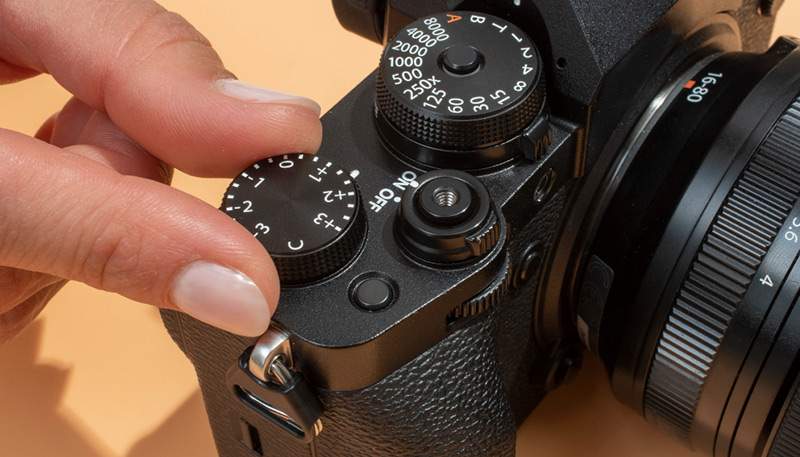
- ISO tells you how light-sensitive your camera is.
- Shutter Speed: how long light can go into the camera
- Aperture is how much light comes in and how fuzzy the backdrop is.
These settings may be a little hidden on phones, but they are still there.
Phone Camera Settings (Basic Pro Mode)
Most smartphones in 2026 include a Pro or Manual mode.
The best settings for beginners are:
- ISO: 50 to 100 in the sun
- For ordinary pictures, the shutter speed should be between 1/60 and 1/125.
- Set the white balance based on the type of light (daylight, indoor, cloudy).
- Focus: Auto for beginners, manual for practice
You can’t change the aperture on a phone, thus the background blur is done by software. Instead, think about the light and the composition.
Settings for Beginners with a DSLR Camera
DSLRs are wonderful for learning since you can control everything manually.
Suggested place to start:
- Aperture Priority (A/Av) is the mode.
- ISO: 100–400
- For portraiture, the aperture should be between f/2.8 and f/5.6.
- Shutter Speed: The camera changes it on its own
You can set the depth of field while the camera takes care of the exposure in this mode.
Settings for a mirrorless camera (modern and adaptable)
Like DSLRs, mirrorless cameras work the same way, but they include extra features like a preview of the exposure in real time.
Setup that is easy for beginners:
- Mode: Manual or Aperture Priority
- ISO: Automatic (up to 1600)
- Aperture: f/2.8 to f/8, depending on the subject
- For handheld photos, the shutter speed should be 1/125 or faster.
You can observe changes in exposure right away with mirrorless cameras, which makes learning faster.
A Simple Explanation of Aperture
- Wide aperture (f/1.8 to f/2.8): blurry backdrop and portraiture
- Medium aperture (f/4–f/5.6): Taking pictures every day
- Small aperture (f/8–f/11): Pictures of people and landscapes
A lot of people who are just starting out in photography learn how to regulate aperture initially because it affects how a photo looks.
Always keep the ISO low
High ISO makes things look grainy (noisy).
As a general rule:
- Low ISO in bright light
- Low light: Slowly raise the ISO
Don’t go straight to high ISO unless you really have to.
Shutter Speed: Stop or Show Motion
- Fast shutter (1/500+): Sports, kids, and pets
- Medium (1/125): Shooting every day
- Slow (1/30 or less): motion blur, imaginative photos
When images are blurry, the shutter speed is probably too slow.
White Balance: Set the Color at the Source
Auto white balance works most of the time, but manual settings work better.
Set the white balance to the lighting:
- Daylight
- Overcast
- Tungsten (lights that are warm)
The right hue makes pictures look real without a lot of retouching.
Mistakes that beginners often make
- Taking pictures in Auto
- Not paying attention to the direction of the light
- Using a high ISO for no reason
- Too much retouching of photos
It’s important to know how to use your camera, but it’s even more important to know how light works.
Why beginners learn faster when they have help
Trial and error works, but it takes a long time.
Structured photography courses benefit beginners:
- Learn how to use settings in real life
- Feedback helps you learn faster.
- Avoid making expensive blunders with your gear
- Step by step, build your confidence
Conclusion
In 2026, the rules will still apply, no matter what kind of camera you use, whether it’s a phone, DSLR, or mirrorless camera. Don’t rush the process; learn the basics correctly by joining one of the photography courses in Kolkata and practice often.
Having the best camera doesn’t mean you can take great pictures.
It’s about knowing how to use the one you already have.