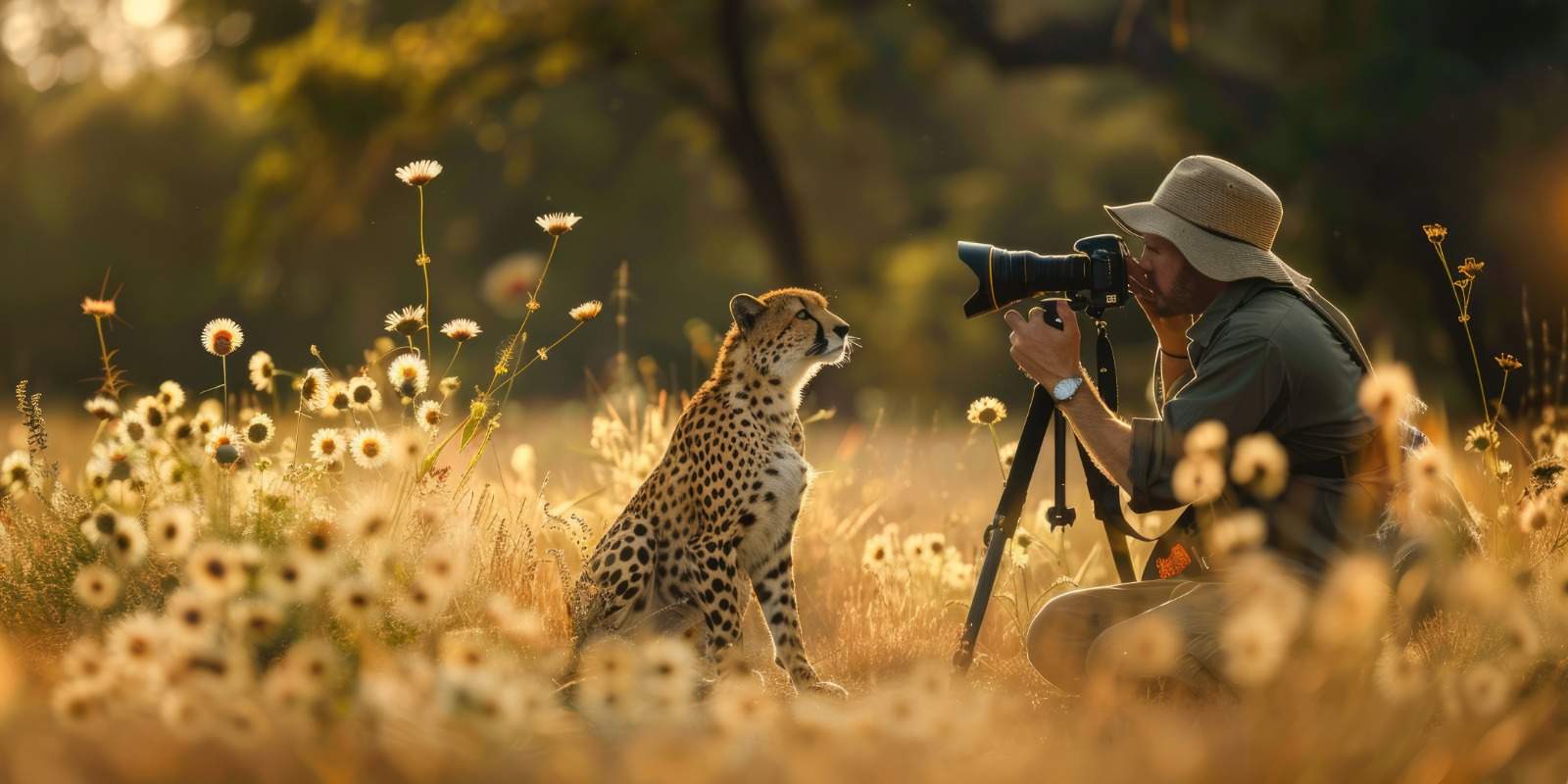
Taking pictures of animals is one of the most fun genres of photography. It requires time, skill, and the ability to react quickly to situations that happen unexpectedly to shoot images of animals in their natural habitat. But a lot of new photographers make simple mistakes with their cameras that make their photographs look worse.
If photographers know the principles of wildlife photography and stay away from these mistakes, they can achieve better results and take wonderful pictures of animals.
These ten camera mistakes are ones that wildlife photographers should avoid.
1. Using the Wrong Lens
One of the most common mistakes new photographers make is using a lens that is too short. Animals in the wild are generally far away, and getting close to them isn’t always safe or practicable.
Using the right wildlife photography lenses with long focal lengths will help you get clear pictures without bothering the animals.
2. Only shooting in automatic mode
Automatic camera settings can work in simple situations, but when you take images of animals, you may need to make quick modifications.
When photographers learn how to employ manual or semi-manual modes like aperture priority or shutter priority, they have more control over exposure and motion.
This is a very important element of learning the wildlife photography basics.
3. Not paying attention to shutter speed
Animals move swiftly, and when the shutter speed is too slow, the pictures come out blurry.
A faster shutter speed helps stop motion and get clear details. Higher shutter speeds are very critical for birds and animals that run.
4. Bad Focus Settings
Wildlife subjects don’t often stay still. If you use the improper focus mode, you can miss photographs.
Continuous autofocus options allow you keep your subject in focus even when they move.
To use a wildlife photography camera well, you need to know how to set the focus.
5. Not thinking about the light
The way light works in wildlife areas changes all the time. Forests, bad weather, or early morning shoots could change the exposure.
Photographers should modify the ISO, aperture, and shutter speed based on how much light is available so that their images don’t turn out too dark or too bright.
6. Not employing burst mode
Most of the time, wildlife encounters only last a few seconds. You can miss the best action or expression if you only take one frame.
Photographers can take a lot of images quickly in burst mode, which makes it more likely that they’ll get the right one.
7. Not paying attention to what’s behind you
Beginners often only look at the animal and not the background.
If the background is too cluttered or distracting, it can take away from the image’s strength. Choosing a clean background makes the subject stand out and makes the photos look more professional.
8. Getting too near to animals
Being too close to animals can upset them and maybe even put you in danger.
Photographers may stay at a safe distance and still get detailed photos by using the right wildlife photography lenses.
An key part of ethical photography is treating animals with respect.
9. Not keeping the camera steady
Long lenses and things that are far away can make the camera shake.
Using a tripod, monopod, or the right way to hold the camera steady will assist keep the image sharp.
When shooting in low light, stability is even more critical.
10. Not being patient
You need to be patient to take pictures of wildlife. Instead of waiting for the ideal moment, beginners often rush their shoots.
Photographers can take more natural pictures by spending time watching how animals act so they can predict their moves.
One of the best things you can do for wildlife photography is to be patient.
How to Get Better at Taking Pictures of Animals
Photographers can get better at taking pictures and get better pictures by not making these blunders. But you need to practice and seek good counsel to become an expert.
Joining a wildlife photography training program will help beginners learn about critical camera settings, field skills, and how to treat animals ethically.
Most training programs let you work with live animals in the field, which is great for folks who want to take pictures of wildlife.
Conclusion
Taking pictures of animals in the wild can be hard but also fun. If you know how to set up your camera right, pick the right lenses, and practice the basics of wildlife photography, you can capture far better photographs of animals in the outdoors.
If photographers keep learning and don’t make the same mistakes over and over, they can get great pictures of animals and environment.
With the correct training from a wildlife photography training institute, some planning, and a lot of patience, beginners may turn their love of animals into amazing pictures.